Back to Self Tapping Screws

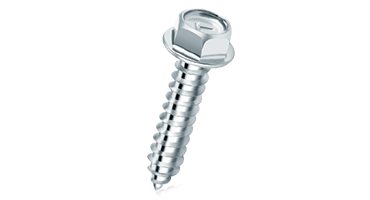
Hex Flange Self Tapping Screw

Sharp Point  ·  DIN 7976 / ISO 1479  ·  Steel & Stainless Steel 304  ·  Custom Sizes on RFQ

The hex flange self tapping screw has a hexagonal head with an integral flange that works as a built-in washer, and a sharp (Type C) point that forms its own thread in a pilot hole in sheet metal, aluminium and plastic. One part replaces a screw and a washer, spreads the clamp load, and takes a socket or nut driver for fast, high-torque driving. Thread, point and head follow DIN 7976 / ISO 1479. Excel Trading Corporation supplies it in zinc plated steel and stainless steel 304, and manufactures custom sizes to your RFQ.

Specifications

Head

Hex flange head  ·  integral washer face

Thread & Point

ST tapping thread (ISO 1478)  ·  Sharp Type C point

Standard Basis

DIN 7976 / ISO 1479  ·  ISO 2702 (steel)

Materials

Steel — Zinc Plated  ·  Stainless Steel 304

Sizes

Standard and custom sizes manufactured to your RFQ

Hex flange self tapping screw with sharp point, zinc plated steel and stainless steel 304 for sheet metal India

Available In

Steel Zinc Plated

Indoor sheet metal

Stainless Steel 304

Humid / visible finish

Specification Summary

Standard references and key attributes of our hex flange self tapping screw. We stock and manufacture to your required size, so there is no fixed size list. Send us the size you need.

Attribute Specification
Head Hexagon head with integral flange (washer face)
Drive External hex — socket, nut driver or hex bit
Thread ST tapping screw thread to ISO 1478
Point Sharp point — Type C (cone) per ISO 1479 / DIN 7976
Standard basis DIN 7976 / ISO 1479 (thread, point, tolerances). Flange form to industry proportions or your drawing
Mechanical properties (steel) ISO 2702 — surface hardness min 450 HV 0.3, core hardness 270–390 HV
Material Carbon steel (case hardened)  ·  Stainless steel 304
Finish Zinc plated (steel)  ·  Plain (stainless steel)
Sizes Standard and custom sizes to customer RFQ

Standards: ISO 1479 (hexagon head tapping screws), ISO 1478 (tapping screw thread), ISO 2702 (heat-treated steel tapping screws). Corresponds to DIN 7976 for the hex head screw.

Where Is It Used?

Click your industry to see where hex flange self tapping screws are used.

Material Options

Steel — Zinc Plated

Case hardened · Indoor use

Carbon steel, case hardened to ISO 2702 (surface hardness min 450 HV 0.3) so the screw can form its own thread in steel sheet, with a zinc plated finish. The economical choice for dry, indoor sheet metal assembly. Adequate protection for sheltered conditions; not intended for prolonged outdoor or washdown exposure.

HVAC · Enclosures · Appliance interiors · General sheet metal

Stainless Steel 304

Corrosion resistant · Visible finish

Austenitic 304 stainless steel, resistant to rust and staining, with a clean finish. It cannot be case hardened like carbon steel, so it suits thin sheet, aluminium, plastics and pre-drilled holes, and is best driven at moderate speed to avoid heat build-up.

Humid environments · Visible finish · Food-adjacent equipment · Aluminium and plastics

Quick Specifications

Type C

Sharp Point

ISO 1479

DIN 7976 Basis

ST

Thread (ISO 1478)

Custom

Sizes to Your RFQ

Need a Custom Size?

We manufacture hex flange self tapping screws to your requirement, in steel and stainless steel 304. Send us the following with your enquiry and we will quote:

  • ▸ Thread size (ST) and length
  • ▸ Material and finish (steel zinc plated or stainless steel 304)
  • ▸ Flange style, if specific (plain or serrated), and head dimensions
  • ▸ Quantity and a drawing or sample

Installation Notes

  • ▸ Always drill a pilot hole. The hole is made slightly smaller than the screw core diameter, and the right size depends on the sheet material and thickness. Test on a sample before production.
  • ▸ Use a hex socket or nut driver that fits snugly. Drive at moderate speed with a torque-limited tool so the thread formed in thin sheet is not stripped.
  • ▸ Stop when the flange seats on the surface. Overtightening can strip the thread formed in thin sheet or dish the panel around the hole.
  • ▸ Drive stainless steel screws at moderate speed and, where possible, with a little lubricant. Heat build-up at high speed can seize the screw before it is fully seated.
  • ▸ Hole position and burr-free edges matter. A pilot hole drilled square to the sheet and free of burrs gives a cleaner, stronger thread.

Frequently Asked Questions

What is a hex flange self tapping screw?

A hex flange self tapping screw is a tapping screw with a hexagonal head that has an integral flange under it, acting as a built-in washer. It cuts or forms its own thread in sheet metal, aluminium and plastic as it is driven in, so the mating part needs only a pilot hole and no tapping. The flange spreads the clamping load over a wider area, which means one part replaces a separate screw and washer.

Which standard does it follow, DIN or ISO?

The thread, point and head follow the hexagon head tapping screw standard ISO 1479 / DIN 7976, with the thread form to ISO 1478 (ST thread) and the mechanical properties of heat-treated steel screws to ISO 2702. The integral flange is a head modification that DIN 7976 does not itself cover, so the flange form is made to standard industry proportions or to your drawing. Send us your specification with your enquiry.

What is the sharp point, and do I need a pilot hole?

The sharp (cone) point is the Type C point of ISO 1479 / DIN 7976. It starts easily and aligns the screw in thin sheet metal. Yes, in steel and most metals you still need a pilot hole, drilled slightly smaller than the screw core diameter, because the screw forms its own thread rather than drilling. The right size depends on the sheet thickness and material, so test on a sample before production. If you want a screw that drills its own hole, you need a self drilling screw instead.

What is the advantage of a hex flange over a plain hex head tapping screw?

The flange takes the place of a separate washer. It spreads the load, protects the surface of the sheet and reduces the chance of the head pulling through thin material, and it removes one part from assembly. The hex head also takes a socket or nut driver, so you can apply much more driving torque than with a Phillips recess.

What is the difference between a self tapping and a self drilling screw?

A self tapping screw forms a thread in a hole that already exists, so you need to drill a pilot hole first. A self drilling screw has a drill point that makes its own hole and then forms the thread, in one operation. Use self tapping screws where holes are already punched or drilled, as in most sheet metal fabrication, and self drilling screws where you want to fix straight through the material.

Should I choose steel or stainless steel 304?

Zinc plated steel is the standard choice for general sheet metal work indoors. Its case-hardened surface, to ISO 2702, lets it form threads in steel sheet reliably. Stainless steel 304 resists rust and staining, so choose it for visible, humid or washdown applications. It cannot be case-hardened like carbon steel, so it works best in thin sheet, aluminium and plastic, or in pre-drilled holes, and should be driven at moderate speed.

Can you make custom sizes?

Yes. Besides the sizes we supply regularly, we can manufacture hex flange self tapping screws in custom sizes to your RFQ, in steel and stainless steel 304. Send us the thread size (ST), length, material, finish, quantity and a drawing or sample, and we will quote.

Where can I buy hex flange self tapping screws in Bangalore?

Excel Trading Corporation supplies hex flange self tapping screws with a sharp point, in zinc plated steel and stainless steel 304, from our Kumbarpet office in Bengaluru to customers in Karnataka and across India. Call +91 7204435253 or email info@exceltrading.in with your size and quantity.